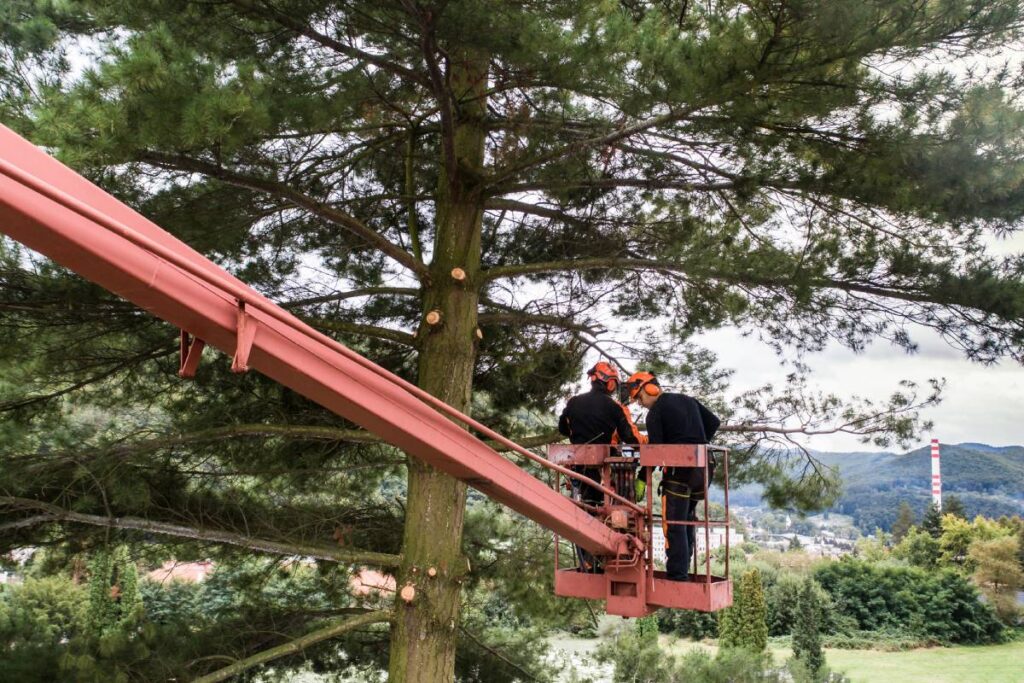

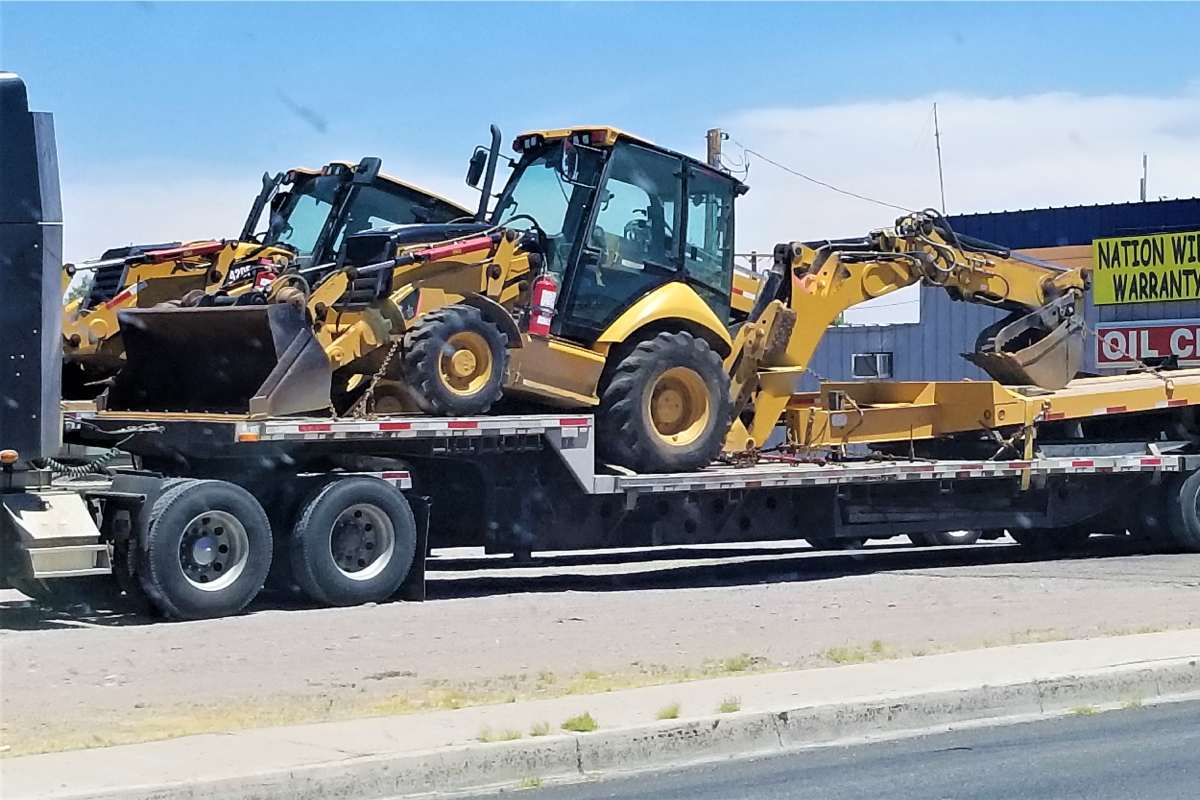
Loading a mini excavator onto a trailer might seem like one of the simplest parts of the workday. After all, it’s a task that contractors, landscapers, civil crews and plant hire businesses perform countless times every year.
Yet it’s also one of the moments when things are most likely to go wrong.
A machine that’s worth tens or even hundreds of thousands of dollars is being driven up a relatively narrow set of ramps onto a trailer. Add uneven ground, wet weather, operator fatigue or unsuitable equipment, and the risks increase dramatically.
Fortunately, most loading accidents aren’t caused by bad luck—they’re caused by preventable mistakes.
Whether you’re transporting mini excavators, skid steers, bobcats, compact rollers or elevated work platforms, understanding these common loading errors can improve safety, reduce equipment damage and keep projects running on schedule.
Why Safe Loading Matters More Than Ever
Construction and civil projects are becoming increasingly time-sensitive.
Contractors are expected to complete more work in less time while managing rising labour costs and stricter workplace safety requirements.
This pressure sometimes encourages shortcuts during loading and unloading.
Unfortunately, a few minutes saved by rushing can quickly become days or weeks of downtime if machinery is damaged—or worse, if someone is injured.
Safe loading isn’t simply about compliance.
It’s about protecting:
- Operators
- Expensive machinery
- Tow vehicles
- Trailers
- Project schedules
- Business reputation
The loading process deserves the same level of planning as the work the machinery is being transported to perform.
Mistake 1: Using the Wrong Loading Ramps
One of the biggest mistakes businesses make is assuming all loading ramps are essentially the same.
They’re not.
Different ramps are designed for different:
- Load capacities
- Machinery types
- Track widths
- Wheel configurations
- Deck heights
- Operating environments
Using ramps that are too narrow or incorrectly rated creates unnecessary risk.
Even if the machine technically falls within the ramp’s weight capacity, poor compatibility can affect stability during loading.
For example, steel-tracked excavators place different stresses on ramps compared to rubber-tracked machines.
Similarly, wheeled equipment requires different surface grip characteristics than tracked equipment.
Choosing ramps specifically engineered for the machinery being transported provides better traction, improved stability and greater confidence during every load.
Mistake 2: Ignoring Ramp Angle
Ramp angle is often overlooked.
Many operators focus only on getting the machine onto the trailer without considering how steep the climb actually is.
A ramp that’s too short for the trailer height creates a much steeper approach angle.
This can lead to:
- Machinery grounding out
- Reduced traction
- Sudden weight shifts
- Increased rollover risk
Low-clearance machinery is particularly vulnerable.
Using appropriately sized ramps for your trailer height creates a smoother transition that improves both safety and equipment protection.
Mistake 3: Loading on Uneven Ground
Not every job site provides a perfectly level loading area.
However, attempting to load machinery while the trailer sits on uneven or sloping ground significantly increases risk.
Uneven surfaces can cause:
- Trailer movement
- Ramp instability
- Uneven machine weight distribution
- Reduced operator visibility
Whenever possible, loading should take place on firm, level ground.
If the site doesn’t allow this, operators should carefully assess whether relocating the trailer is the safer option rather than accepting unnecessary risk.
Mistake 4: Skipping Equipment Inspections
Busy operators often assume everything is fine because it worked yesterday.
Unfortunately, small defects can quickly become major problems during loading.
Before every use, inspect:
- Ramp locking points
- Welds
- Trailer couplings
- Tyres
- Brake systems
- Safety chains
- Lighting connections
Similarly, inspect the machinery itself.
Damaged tracks, leaking hydraulics or steering issues may affect how safely the machine can be loaded.
A five-minute inspection is far cheaper than repairing damaged equipment after an avoidable incident.
Mistake 5: Exceeding Weight Limits
Overloading remains one of the most serious mistakes businesses make.
This doesn’t only apply to trailer capacity.
Operators should also consider:
- Ramp capacity
- Trailer Gross Vehicle Mass (GVM)
- Tow vehicle towing capacity
- Gross Combination Mass (GCM)
- Axle load limits
Adding attachments such as buckets, augers or breakers can significantly increase transport weight.
Never rely on estimated machine weights.
Use manufacturer specifications and include all attachments when calculating total load.
Mistake 6: Poor Load Distribution
Where the machine sits on the trailer matters almost as much as whether it fits.
Incorrect weight distribution may cause:
- Trailer sway
- Reduced steering control
- Excessive tow ball weight
- Increased tyre wear
- Longer braking distances
Ideally, machinery should be positioned to achieve balanced axle loading while remaining within the manufacturer’s recommended tow ball weight.
Even experienced operators benefit from periodically checking weight distribution rather than relying solely on habit.
Mistake 7: Inadequate Load Restraint
Once the machine is on the trailer, the job isn’t finished.
Improper restraint remains one of the leading causes of transport incidents.
Chains, binders and straps should be:
- Correctly rated
- Free from damage
- Positioned at appropriate restraint points
- Tightened evenly
- Rechecked after travelling a short distance
Attachments should also be secured separately where required.
Remember that road vibration can loosen restraints over time.
Regular checks during longer journeys are essential.
Mistake 8: Rushing the Process
Loading machinery isn’t a race.
Many incidents occur because operators are:
- Trying to beat traffic
- Finishing late in the day
- Working in poor weather
- Feeling pressure to reach the next job
Taking an extra few minutes to complete loading carefully often prevents hours—or days—of delays later.
Professional operators know that efficiency comes from consistency rather than speed.
Mistake 9: Choosing Equipment Based Only on Price
Budget always matters.
However, loading equipment is one area where the cheapest option rarely proves the most economical over time.
Poor-quality ramps or trailers may experience:
- Premature fatigue
- Bent frames
- Worn hinges
- Reduced stability
- Higher maintenance costs
Investing in well-designed equipment often delivers lower lifetime operating costs through improved durability and reliability.
Mistake 10: Buying Equipment That Won’t Grow With Your Business
Many contractors purchase loading equipment based solely on their current machinery.
A year later, they upgrade to a larger excavator or purchase additional attachments and suddenly discover their existing ramps or trailer no longer meet requirements.
Planning for future fleet growth can avoid costly replacements.
When investing in loading equipment, consider:
- Expected business growth
- Future machinery purchases
- Additional attachments
- Higher towing requirements
- Increased daily usage
Choosing equipment with reasonable capacity headroom often provides much better long-term value.
Why Australian-Made Equipment Makes Sense
Loading equipment experiences significant structural stress every working day.
Quality manufacturing becomes especially important for businesses transporting machinery regularly.
Australian-made loading ramps and plant trailers are typically designed around:
- Australian safety standards
- Local towing conditions
- Common machinery sizes
- Harsh environmental conditions
Because the equipment is engineered for local conditions, businesses often benefit from improved durability, readily available replacement parts and ongoing product support throughout the equipment’s service life.
Building Better Loading Habits
Safe loading isn’t achieved through expensive equipment alone.
It comes from combining quality equipment with consistent procedures.
A simple loading checklist can include:
- Inspect ramps and trailer
- Confirm machine weight
- Check ground conditions
- Position ramps correctly
- Load slowly and steadily
- Balance trailer weight
- Secure machinery properly
- Inspect restraints before departure
- Recheck after the first few kilometres
These habits soon become routine while significantly reducing risk.
The Bottom Line
Loading heavy machinery is something many operators perform almost automatically, but familiarity should never lead to complacency.
Most loading incidents result from preventable mistakes rather than unpredictable events.
Choosing appropriate ramps, using a quality trailer, checking weight limits, securing machinery correctly and taking the time to follow consistent loading procedures all contribute to safer, more efficient operations.
For businesses transporting machinery every day, investing in reliable loading equipment and developing good loading habits protects not only valuable assets but also the people who operate them.
Frequently Asked Questions
What is the most common mistake when loading heavy machinery?
Using loading ramps that aren’t correctly matched to the machine’s weight, width or track type is one of the most common mistakes. Even if the weight rating appears sufficient, poor compatibility can affect stability and safety during loading.
Why is ramp angle important?
A ramp that’s too short creates a steeper loading angle, increasing the risk of machinery grounding out, losing traction or becoming unstable. Choosing ramps suited to your trailer’s deck height provides a safer and smoother loading process.
Should machinery always be loaded on level ground?
Whenever possible, yes. Loading on firm, level ground improves trailer stability, reduces movement and makes it easier to position machinery safely. Uneven ground increases the risk of accidents during loading and unloading.
How often should loading ramps and trailers be inspected?
A visual inspection should be carried out before every use. Check for damaged welds, worn locking mechanisms, tyre condition, brake operation, couplings and any signs of structural wear that could affect safety.
Why does trailer weight distribution matter?
Incorrect weight distribution can cause trailer sway, poor steering response, increased braking distances and excessive tow ball weight. Positioning machinery correctly helps maintain stability throughout transport.
Is Australian-made loading equipment better?
Many Australian-made loading ramps and plant trailers are engineered specifically for local machinery, road conditions and safety standards. They also typically offer easier access to spare parts, warranty support and long-term service, making them a popular choice for contractors operating across Australia.
Common Mistakes When Loading Heavy Machinery (And How to Avoid Them)

Commercial Solar Financing: PPA vs Loan vs Lease — Which One Screws You?
What Battery Is Used in Solar Systems? A No-Nonsense Guide
Can You Transport Your Yacht Interstate Yourself?
Common Mistakes When Loading Heavy Machinery (And How to Avoid Them)
Commercial Solar Financing: PPA vs Loan vs Lease — Which One Screws You?
What Battery Is Used in Solar Systems? A No-Nonsense Guide